
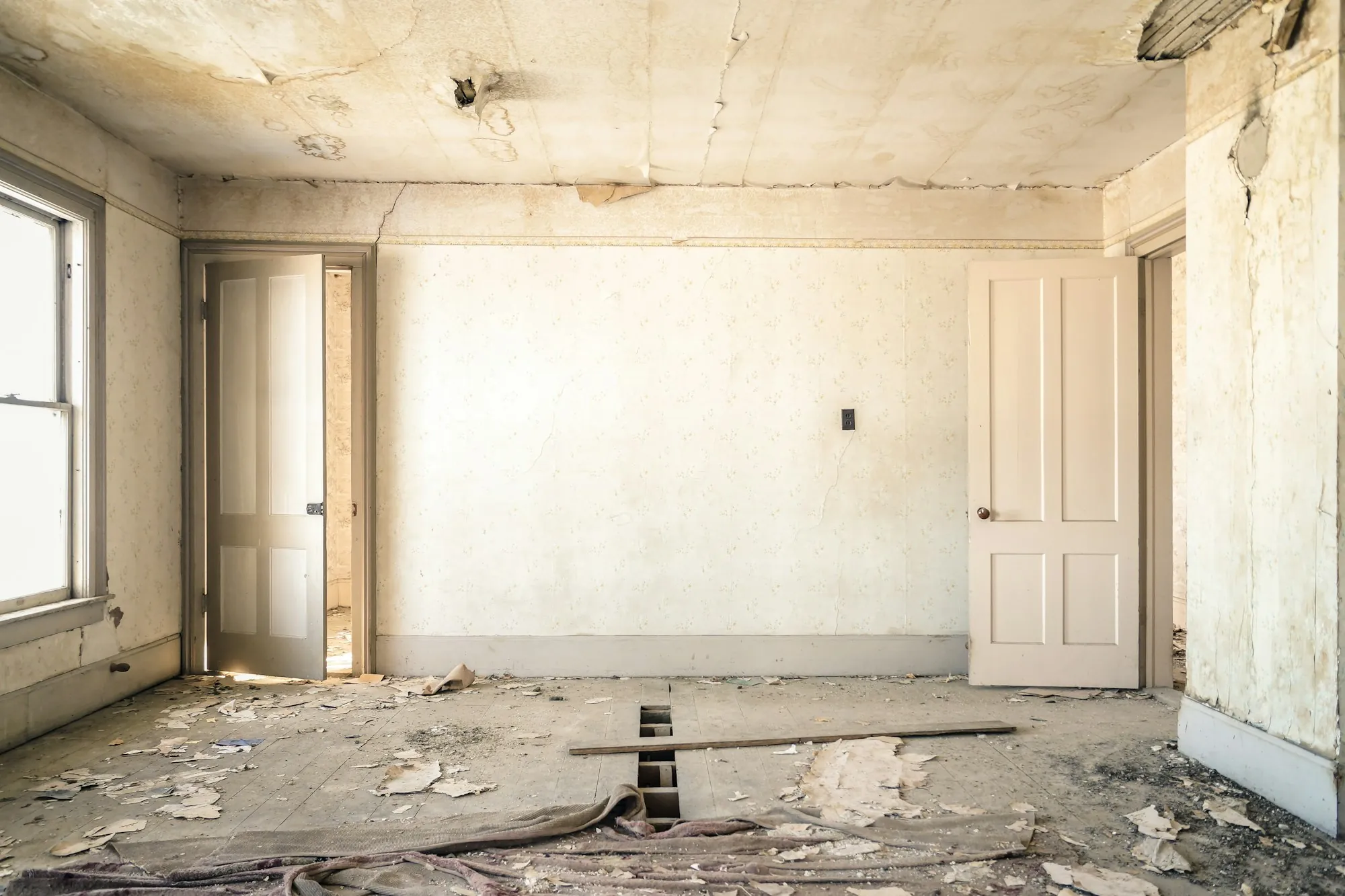
The house, top to bottom
Whole-Home Renovations in Lilburn
Update the kitchen, baths and living spaces in one coordinated project, with each room's work broken into priced items so you can decide what to do now and what can wait.
Name every room on your list at (000) 000-0000Why Do It All at Once
When several rooms need work, doing them as one job means walls are opened once, trades follow a single sequence, and you sign one scope instead of three. It also lets you see the whole cost before committing, then trim items until it fits the budget.
The scope is organized room by room, so you can move a bathroom to a later phase without unpicking the rest.
What a Whole-House Scope Usually Lists
-
Layout changes
Removing or moving walls, widening openings and reworking how you move through the house, with framing, beam work where needed and the patching that follows priced as separate items.
-
Systems updates
The rerouted water and drain lines, added circuits and lighting changes that the new layout depends on, folded into the same scope rather than hired out on their own.
-
Kitchen and baths
Cabinets, counters, tile, fixtures and ventilation for each room involved, with every material choice named so you know exactly what is going in.
-
Finishes throughout
Drywall repair, trim, doors and paint carried through the whole house so the rooms match one another when the work is done.
Settle These Before the Scope Is Final
-
Stay or step out
Whole-house work that opens most rooms at once can go faster if you live elsewhere for a stretch. Phasing the job lets you stay, though it takes longer overall.
-
What goes first
If the budget will not cover everything, decide which rooms matter most. The itemized scope makes it simple to move a room to a second phase.
-
Older-house surprises
If the house dates from before 1978, its paint may contain lead and calls for lead-safe prep. Old wiring and pipes may also need updating once walls open, and those items get priced as changes.
Whole-House Questions
Can I phase a whole-house renovation over time?
Yes. Because the scope lists each room separately, you can do the kitchen and main bath now and leave bedrooms for later. Some work, like rerouted lines, costs less to do in the first phase, and we will point that out.
Does a whole-house renovation need permits?
Almost always. Taking out walls, adding circuits or relocating plumbing generally calls for a permit, with inspections at set stages. We explain which ones apply to your plans and build to meet what the inspector checks.
Planning More Than One Room?
Tell us everything you want changed, even the parts you are unsure of. We will talk through how the work would be phased and priced.